
How Custom Backpack Programs Benefit from DCP Bags' Professional R-D and Advanced Testing Centers
Oct 23, 2026
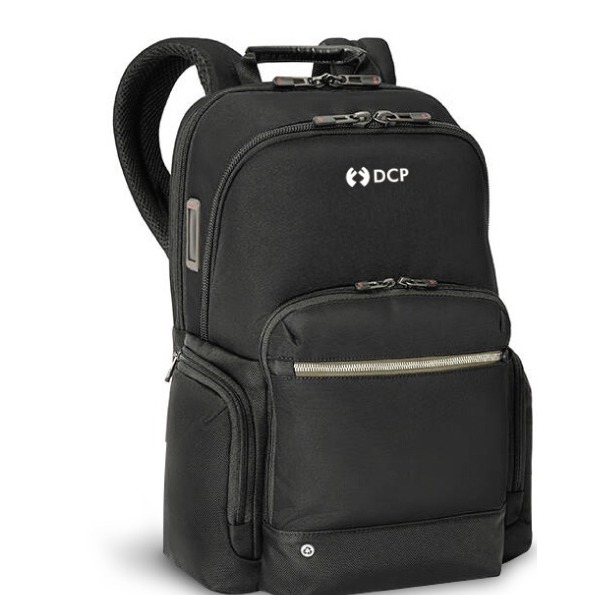
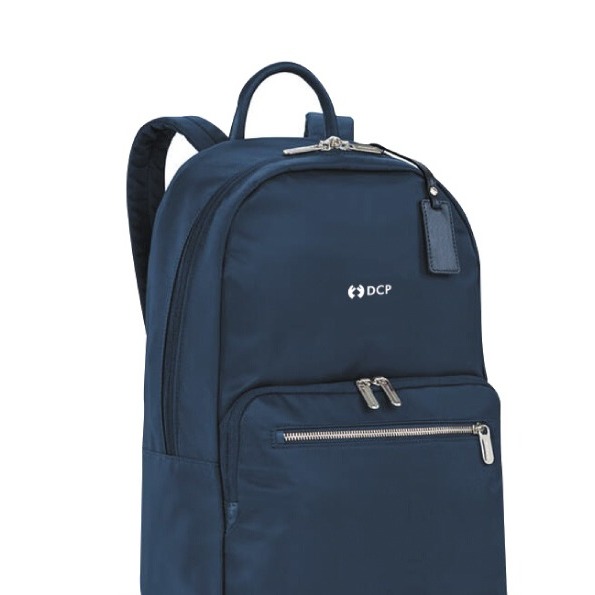
Quanzhou, Fujian Oct 22, 2026 (Issuewire.com) - When procurement teams seek to develop specialized carrying solutions, they require a manufacturing partner capable of supporting the entire product lifecycle from initial concept through final quality verification. DCP TRAVELLING PRODUCTS CO., LTD. answers this requirement by integrating comprehensive design capabilities, digital structural planning, guided material selection, and rigorous prototype evaluation into a unified development system. By maintaining control over every phase of creation and utilizing dedicated facilities to confirm structural integrity, this approach ensures that new designs transition smoothly into mass production. For brands looking for a reliable Custom Backpack Manufacturer In China (https://www.dcp-bags.com/products/), this combination of professional research and development methodologies with advanced laboratory assessment means that customization is treated as a highly regulated engineering workflow. Buyers can rely on a consistent standard of validation, whether they are sourcing rugged outdoor equipment or sophisticated business carriers, ensuring every batch meets the specifications established during the initial design phase. ODM Development Turns Custom Programs into a Defined Workflow The foundation of a successful custom carrying solution lies in a structured development process that prioritizes collaboration and technical feasibility over basic manufacturing execution. Rather than treating customization as merely a change in color or logo application, the engineering approach builds the frontend value of a project on comprehensive original design manufacturing capabilities. Following a strategic digital transformation and a clear transition from traditional original equipment manufacturing to an original design manufacturing model in 2024, the internal structure now places product development at the forefront of client collaboration. The dedicated design team engages directly with sourcing professionals to align practical utility with aesthetic requirements from the very beginning of the partnership. This proactive collaboration establishes a secure starting point for all subsequent phases, ensuring structural expectations are clearly defined before physical materials are processed. By establishing this clear operational framework, procurement teams can initiate custom backpack programs with specific design targets and measurable milestones, rather than attempting to define product specifications retroactively during the mass production stage. Operating since 2000 and exporting to more than twenty countries, this established infrastructure provides global buyers with the assurance that their custom projects are supported by decades of industry experience. 3D Modeling Makes Design Intent Easier to Review Before Sampling Clear communication of design intent is a critical challenge in international sourcing, where reliance on purely written descriptions or sketches often leads to structural misunderstandings and costly revisions. To resolve this friction, the integration of advanced three dimensional modeling into the research and development capability list provides a necessary visual communication node for all custom backpack programs. This digital tool allows procurement officers and development teams to focus precisely on the product form, compartment layout, and structural logic long before the first physical prototype is assembled. When this digital visualization is combined with professional style recommendations, it allows both the visual direction and the structural expression to be evaluated within the same collaborative discussion. This synchronized review process significantly reduces the risk of misinterpretation, ensuring that complex features required for specialized items like business backpacks with integrated technology organizers or wheeled trolley cases are accurately mapped. By establishing a rigorous digital design review node prior to physical production, custom programs align structural requirements with aesthetic expectations early in the timeline, streamlining the path to final approval. Material Recommendation Links Aesthetic Choices with Manufacturability Selecting the right textiles and hardware is a fundamental decision that impacts not only the visual appeal of a backpack but also its long term durability and manufacturing viability. Treating material recommendation as an independent research and development capability ensures that these choices are fully integrated into the engineering workflow. This structured guidance bridges the gap between the initial aesthetic vision and the practical realities of prototype assembly, testing, and eventual bulk production. By systematically recommending materials that align with the operational demands of the final product, the development team provides sourcing managers with a clear understanding of how their choices will perform. Once a specific fabric or component is selected, it immediately falls under the jurisdiction of the testing center, where raw material inspection protocols verify its compliance with necessary strength and safety standards. This direct connection between the design phase recommendation and the laboratory validation creates a continuous verifiable path for quality assurance. For procurement professionals developing high stress items such as camping bags, this means that material decisions made during the initial consultations are supported by a complete logical chain of verification. Quick Sampling Creates a Practical Gate Before Bulk Production The transition from digital design and material selection to a physical product represents a crucial juncture in any custom manufacturing program. Quick sampling establishes a vital, tangible confirmation gate before a project is cleared for bulk production, allowing the outputs of the research and development process to be rigorously reviewed and adjusted in their physical form. Positioned at the culmination of the design, modeling, and material recommendation phases, this rapid prototyping capability ensures that the transition from concept to reality is accurate and efficient. Once the physical sample is approved by the client, the manufacturing infrastructure is fully equipped to translate that confirmed structure into standardized production processes. The facilities utilize advanced equipment, including computerized sewing machines, specialized pattern machines, heavy duty bar tack machines, and automated spreading and cutting equipment. This technological foundation is supported by significant operational scale, featuring a thirteen thousand square meter facility in China with eight production lines capable of producing one hundred thousand packages monthly, alongside a massive twenty six thousand square meter facility in Indonesia operating forty lines with a monthly output of four hundred thousand pieces. Testing Centers Carry Custom Requirements into Batch Quality Control A comprehensive custom program must ensure that the quality standards established during the prototype phase are consistently maintained throughout the entire production run. To prevent the sampling approval and mass production inspection from becoming disconnected processes, dedicated laboratory environments extend the initial development requirements directly into batch quality control. Both the China and Indonesia manufacturing locations are equipped with specialized luggage and backpack testing centers, utilizing more than twenty different types of advanced diagnostic equipment to establish a common foundation for cross facility quality assurance. This rigorous testing scope is explicitly designed to cover every single production batch, with evaluation protocols extending continuously from incoming raw materials through to the final finished products. By applying these consistent laboratory standards across the entire manufacturing network, the material integrity, structural durability, and overall performance of every custom backpack are verified against the initial design specifications. For procurement teams managing complex global supply chains, this means the engineering outputs seamlessly enter a continuous batch testing workflow, ensuring the original product definition remains connected to final quality control checks prior to shipment. Custom Backpack Value Comes from Development and Verification Together The ultimate value of a specialized carrying solution relies on the seamless integration of creative engineering and uncompromising quality assurance. By combining professional design consultation, digital modeling, targeted material recommendations, rapid prototyping, and exhaustive batch testing, DCP Bags (https://www.dcp-bags.com/company/) constructs a highly auditable and verifiable development path for every client. This holistic structure allows procurement teams to build comprehensive documentation for each project milestone, capturing design inputs, model versions, material choices, sample approvals, and final laboratory results without relying on obscure commercial terms to justify technical decisions. When the engineering nodes and quality verification processes are managed within the same cohesive operational framework, the manufacturing capabilities become significantly easier for global buyers to audit, approve, and execute in stages. Procurement professionals seeking to evaluate this integrated approach to custom production can review the complete range of research, testing, and manufacturing facilities directly through the official website at https://www.dcp-bags.com/, enabling a thorough assessment of technical competence before finalizing specific project requirements.
Source :DCP TRAVELLING PRODUCTS CO., LTD.
This article was originally published by IssueWire. Read the original article here.
More News







YOUR NEWS, OUR NETWORK.
Do you have Great News you want to tell the world?
Be it updates about your business or your community, you can make sure that it’s heard by submitting your story to our network reaching hundreds of news sites across 6 verticals.