
DCP Bags: Reliable Backpack Manufacturer Insights for Shanghai International Luggage and Bag Expo Buyers
Oct 23, 2026
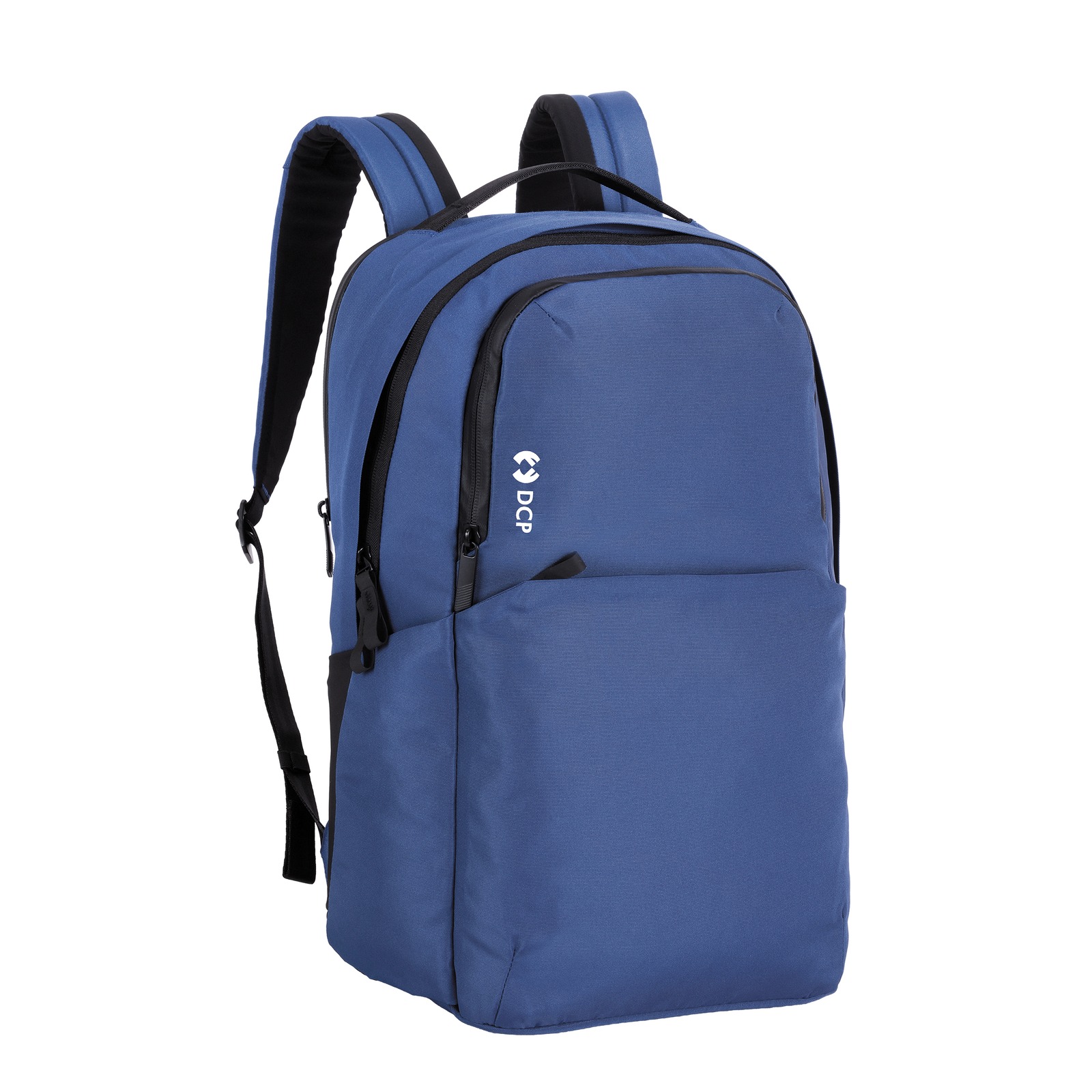
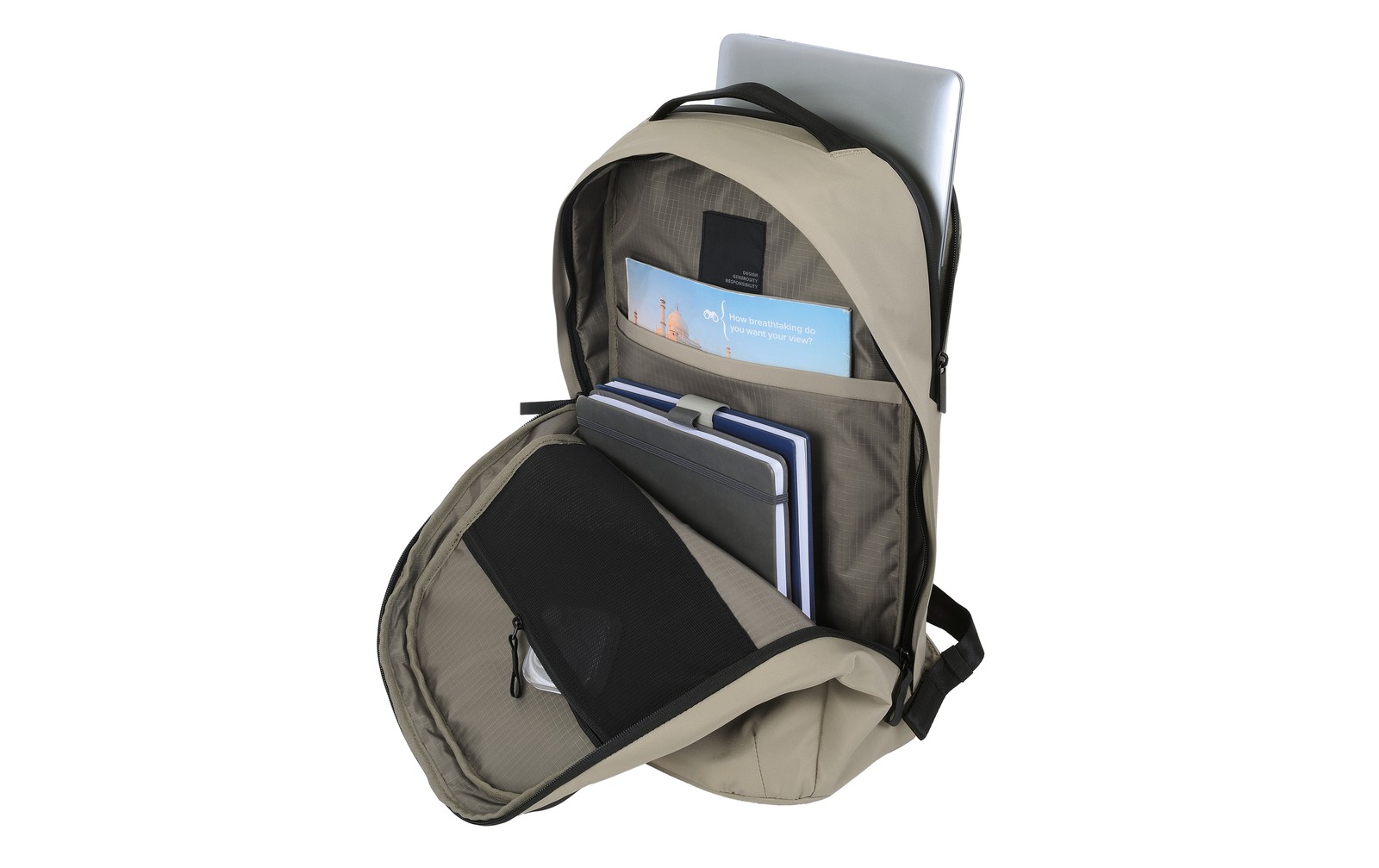
Quanzhou, Fujian Oct 22, 2026 (Issuewire.com) - When sourcing teams look for a Reliable Backpack Manufacturer In China (https://www.dcp-bags.com/products/) around the Shanghai International Luggage And Bag Expo, the evaluation process requires moving past general marketing claims to focus on verifiable production evidence. DCP Bags answers this procurement need by providing an assessment foundation built on dual-country manufacturing capabilities, comprehensive batch testing from raw materials to finished goods, and transparent research workflows. For industry buyers focused on backpacks and soft luggage, analyzing these operational metrics allows procurement teams to anchor their supplier shortlists in traceable manufacturing data rather than relying on exhibition visibility alone, ensuring a rigorous approach to supply chain stability. Shanghai Expo Buyers Can Start with Verifiable Supplier Scope The 2026 Shanghai International Luggage And Bag Expo, scheduled from June 26 to June 28, provides a forum for industry buyers to explore procurement options, but a rigorous strategy must separate trade show visibility from actual manufacturing capability. While the exhibition creates a setting for supplier discovery, companies like DCP Bags (https://www.dcp-bags.com/company/) serve as evaluation targets based on documented operational scope rather than mere event participation. Evaluating a manufacturer begins with confirming their production lines cover the specific bag categories required by the procurement order. Establishing product alignment prevents wasted auditing efforts. The product index publicly outlines eight distinct categories, establishing a firm boundary. This inventory includes Trolley Case, Wheeled Backpack, Business Backpack, Premier Briefcase, Camping Bag, Stylish Casual Backpack, Fishing Bag, and Hunting Bag configurations. This explicitness allows procurement departments to cross-reference catalog needs against true production focus. Buyers can use this transparent scope to filter shortlists, ensuring subsequent capacity audits are directed only at partners with proven alignment to target market segments. A 2000 Establishment Date Anchors Long-Term Manufacturing Experience Evaluating the operational maturity of a bag supplier requires measurable milestones. This manufacturing experience is quantified by a formal establishment in 2000 and an active distribution footprint extending to more than 20 countries. This multi-decade operating history provides a critical foundation for international buyers needing assurance that their partner understands cross-border trade, order coordination, and quality consistency. A continuous production background impacts the practical stages of procurement, from initial sample iterations to final commercial deliveries. Procurement professionals understand that managing a global supply chain involves navigating material shortages and maintaining compliance with regional standards. Because the company explicitly lists design, development, production, quality control, and shipping as managed phases within its operational structure, buyers can systematically audit each stage. Sourcing teams can request specific documentation and review batch records corresponding to these controlled phases. This institutional experience means international clients engage with an organization that has built the administrative infrastructure necessary to handle complex distribution requirements. China and Indonesia Plants Separate Scale from Marketing Claims Analyzing specific facility data allows buyers to ground volume expectations in reality rather than relying on aggregated numbers. The operational structure features a dual-factory layout that separates production capabilities into verifiable metrics for each location, enabling procurement teams to assess resource allocation accurately. The primary facility in China covers 13,000 square meters and operates with 8 dedicated production lines. This location explicitly states a monthly output capacity of 100,000 packages, providing a clear benchmark for buyers seeking to understand the throughput potential of the Chinese manufacturing hub. By isolating these figures, supply chain managers can determine whether this specific facility aligns with mid-volume order requirements, ensuring capacity planning is based on precise data. In parallel, the manufacturing footprint in Indonesia expands this capacity significantly, featuring a 26,000-square-meter facility equipped with 40 production lines. This larger plant supports a stated monthly output of 400,000 pieces, offering scale for high-volume commercial contracts. Buyers can independently verify the floor space and equipment density at both the China and Indonesia sites. This separation of production data allows professionals to match their order volumes directly against the demonstrated capacity of each factory. Batch Testing Gives Reliability a Concrete Quality Meaning Claims of product reliability must be backed by systematic and traceable quality assurance protocols. The manufacturer defines this reliability through comprehensive batch testing, maintaining dedicated testing centers at both its China and Indonesia facilities. The quality control narrative is anchored in the physical presence of more than 20 types of specialized testing equipment. This specific equipment count serves as a direct indicator of the laboratory's capacity to execute rigorous verification of material strength, hardware durability, and overall construction integrity. Effective quality assurance requires uninterrupted oversight throughout the entire production lifecycle. The testing methodology implemented here covers every batch of backpacks and luggage, extending from the initial arrival of raw materials through to the completed finished products. By placing incoming fabrics, zippers, and structural components under the same analytical framework as the final assembled bags, a continuous chain of quality evidence is created. Buyers evaluating potential suppliers can use this comprehensive testing scope to investigate how effectively a factory manages the transition between raw material compliance and final product performance, confidently discussing defect prevention with a supplier that treats quality as a measurable outcome. R&D Support Extends Evaluation Beyond Existing Catalogs Long-term procurement partnerships often require robust engineering and design support beyond existing catalogs. The research and development capabilities allow sourcing teams to look beyond off-the-shelf items and assess the manufacturer's readiness for custom project collaboration. The company officially documents a strategic transition from OEM to ODM services in 2024, signaling a structural upgrade in its ability to manage original design requirements and proactive product development. This engineering capacity is supported by a defined R&D workflow that includes a specialized design team, 3D modeling capabilities, material recommendation services, and quick sampling procedures. For buyers looking to launch exclusive product lines, these specific development modules are critical. 3D modeling allows procurement teams to visualize structural changes and hardware placements before committing to physical prototypes, reducing initial development delays. Active material recommendation ensures that selected fabrics align with durability expectations and budget constraints. When combined with quick sampling, these integrated R&D capabilities provide a predictable pathway from initial concept to approved commercial prototype, actively contributing to complex design challenges. A Source-Bound Checklist Keeps Backpack Sourcing Decisions Practical Selecting a manufacturing partner requires building an evidence-based profile of the supplier's true capabilities. The value proposition can be systematically summarized through verifiable product categories, transparent dual-factory resources, extensive batch testing infrastructure, and dedicated research and development workflows. Translating these operational facts into a sourcing checklist ensures every aspect of the target order is matched against concrete manufacturing evidence. As buyers conclude their initial industry research and prepare for deeper technical negotiations, consolidating supplier information becomes a priority. Teams requiring further documentation or detailed capability reviews can visit https://www.dcp-bags.com/. This platform provides direct access to company profiles, factory specifications, testing center details, and R&D design workflows, enabling a seamless transition from general market discovery to targeted supplier verification. By grounding their evaluation in these specific, traceable operational metrics, sourcing professionals can confidently advance their procurement strategies, ensuring final factory selections are based on a proven capacity to deliver consistent manufacturing results.
Source :DCP TRAVELLING PRODUCTS CO., LTD.
This article was originally published by IssueWire. Read the original article here.
More News








YOUR NEWS, OUR NETWORK.
Do you have Great News you want to tell the world?
Be it updates about your business or your community, you can make sure that it’s heard by submitting your story to our network reaching hundreds of news sites across 6 verticals.